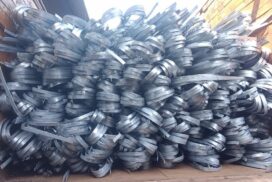
CONVENTIONAL EARTHING
Conventional Earthing (also known as traditional earthing) is a grounding system used in electrical installations to safely discharge fault current into the Ground .
It protects human life, electrical equipment, and buildings from electrical shocks, short circuits, and lightning surges.
In India, conventional earthing is designed and installed as per the following key standards:
- IS 3043:2018 Code of Practice for Earthing (Latest Revision).
- National Electrical Code (NEC) of India.
- CEA (Central Electricity Authority) Regulations.
- IS 732: Code of Practice for Electrical Wiring Installations.
These standards are recognized under Indian Government norms for safe electrical installations in residential, commercial, and industrial projects.
Types of Conventional Earthing as per IS 3043
1. Plate Earthing
A copper or galvanized iron (GI) plate is buried vertically in the ground at a specified depth (usually not less than 3 meters). The pit is filled with alternate layers of charcoal Granules and Crystal salt to reduce soil resistivity.
Standard Sizes (as per IS 3043):
- Copper Plate: 600 mm × 600 mm × 3.15 mm .
- GI Plate: 600 mm × 600 mm × 6 mm .
2. Pipe Earthing
A perforated GI pipe is placed vertically into the ground. It is one of the most commonly used methods in India due to cost-effectiveness and suitability for various soil conditions.
Typical Specifications:
- GI Pipe: 38 mm to 75 mm diameter .
- Length: 2 to 3 meters (or more depending on soil resistivity) .
- Filled with charcoal and salt around the pipe .
Components of a Conventional Earthing System
- Earth electrode (plate/pipe/rod) .
- Earth conductor (GI strip or copper strip) .
- Charcoal and salt backfill .
- Watering pipe and funnel .
- Inspection chamber with cover .
- Test link for measuring earth resistance .
Key Requirements as per IS 3043:2018
Earth resistance value should generally be:
- Below 1 Ohm for power stations and substations
- 1–2 Ohms for major industrial installations
- Below 5 Ohms for residential and commercial buildings
Proper watering arrangement should be provided to maintain moisture.
Earth continuity conductor must be properly connected.
Earthing pit should have an inspection chamber.
Components of a Conventional Earthing System
- Earth electrode (plate/pipe/rod) .
- Earth conductor (GI strip or copper strip) .
- Charcoal and salt backfill .
- Watering pipe and funnel .
- Inspection chamber with cover .
- Test link for measuring earth resistance .
Uses of Conventional Earthing .
- Residential electrical wiring systems .
- Commercial buildings .
- Industrial panels .
- Transformers and generators .
- Substations (in combination with grid earthing) .
- Lightning protection systems .
- UPS and inverter grounding .
- Electrical distribution boards .
Advantages of Conventional Earthing
1. Cost-Effective Installation
Conventional earthing is economical and widely adopted across India.
2. Simple Design and Implementation
Installation is straightforward and does not require specialized materials.
3. Compliance with Indian Standards
Fully compliant with IS 3043 and government electrical safety regulations.
4. Effective Fault Current Dissipation
Safely carries fault current into the ground, preventing electric shock.
5. Suitable for Residential and Small Commercial Buildings
Ideal for homes, small offices, and light industrial applications.
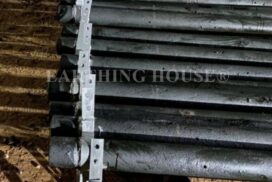
CAST IRON EARTHING PIPE
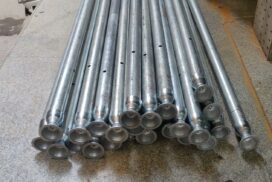
GI EARTHING PIPES
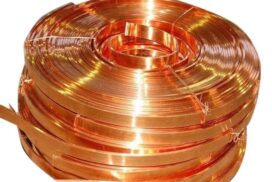
COPPER STRIP / FLAT
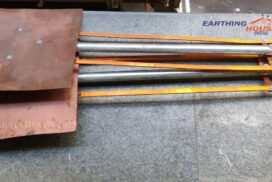
COPPER PLATE EARTHING
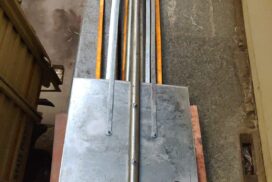
GI PLATE EARTHING